
BMW GS LC Coolant: Useful Checks and Habits
Keeping an eye on BMW GS LC coolant does not mean constantly looking for a problem.
A more useful habit is to take advantage of a few simple situations to create reference points for the motorcycle’s normal condition.
No tools are needed for this.
It is simply a matter of observing the motorcycle regularly enough to notice when something begins to change.
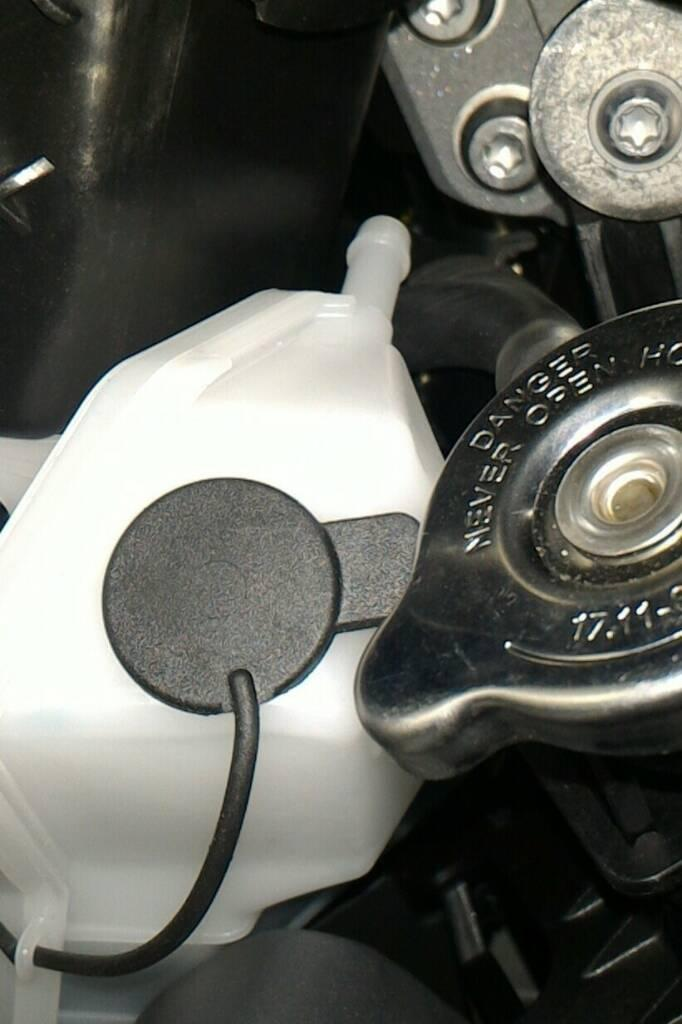
After a Ride: Remember What Seems Unusual
When you get back from a ride and shut off the engine, take a few seconds before putting the bike away.
A new smell around the engine or radiator area is simply something worth remembering.
There is no need to immediately start looking for a problem.
The useful reflex is much simpler:
“Was that smell already there before?”
If it never appears again, it was probably just an isolated observation.
If it comes back after several rides, you now have much more useful information.
Use a Clean Bike to Establish a Reference Point
A clean motorcycle is much easier to monitor than one covered in dust, mud, or road grime.
After washing the bike, simply take the opportunity to have a quick look at the visible areas around the cooling system.
The goal is not to perform a technical inspection.
It is to remember what the area normally looks like when it is clean.
On your next rides, a new mark or damp area will then be much easier to notice.
You are not necessarily looking for a leak. You are looking for something that was not there before.
Use Your Phone to Monitor BMW GS LC Coolant Level
It is difficult to remember exactly where a fluid level was several weeks ago.
There is, however, an extremely simple habit that can help.
When the motorcycle is under comparable conditions, occasionally take a photo of the coolant expansion tank level with your phone.
You then have a genuine reference point.
If you have doubts several weeks later, you no longer have to rely on your memory.
Simply compare it with the previous photo.
A dated photo is often better than a vague memory.
After Unusual Riding Conditions, Add the Cooling System to Your Walk-Around
Some riding conditions fall outside your normal routine:
- prolonged low-speed riding;
- particularly high ambient temperatures;
- off-road riding;
- heavy mud;
- water crossings;
- heavy spray.
After this type of ride, there is no need to turn your return to the garage into a full workshop inspection.
Simply add the cooling system to your usual walk-around.
A new mark, an unusual smell, or anything that looks different from the last time is enough to make a mental note and see whether it happens again.
Do Not Immediately Turn an Observation Into a Diagnosis
This is probably the most important habit.
Notice a mark?
See a small change in the coolant level?
Does something look different?
First, observe whether it happens again or changes over time.
A single observation does not automatically mean there is a fault.
Conversely, something that keeps coming back deserves more attention than something you noticed only once.
This Workshop Note / Quick Check deliberately stops here.
The purpose here is not to determine the cause or explain how to carry out the repair.
The Habit to Remember
To keep an eye on BMW GS LC coolant day to day, simply remember four habits:
- after a ride, notice anything unusual;
- when the bike is clean, remember the normal condition of the visible areas;
- from time to time, keep a reference photo of the coolant level;
- after unusual riding conditions, add the cooling system to your walk-around.
The goal is not to constantly look for a problem.
Quite the opposite.
Knowing your motorcycle’s normal condition well enough makes it much easier to notice when something actually begins to change.
To Go Further
Noticing a change is one thing.
When it comes time to actually inspect the system, methodically track down the source of a coolant loss, drain, refill, or properly bleed the system, the method becomes essential.
That is the part I reserve for the guide.
In it, I detail the inspection points, draining, refilling, bleeding, mistakes to avoid, torque specifications, recommended consumables, and the complete method for BMW GS/GSA LC models.
Related Workshop:
Access the Complete Guide:
https://chrisbach.gumroad.com/l/iagmmp
Join the Facebook Group:
https://www.facebook.com/groups/913934631041780
The blog helps you understand.
The guide helps you take action correctly, step by step.
Back to the Blog:
https://chrisbachworkshop.com/blog/